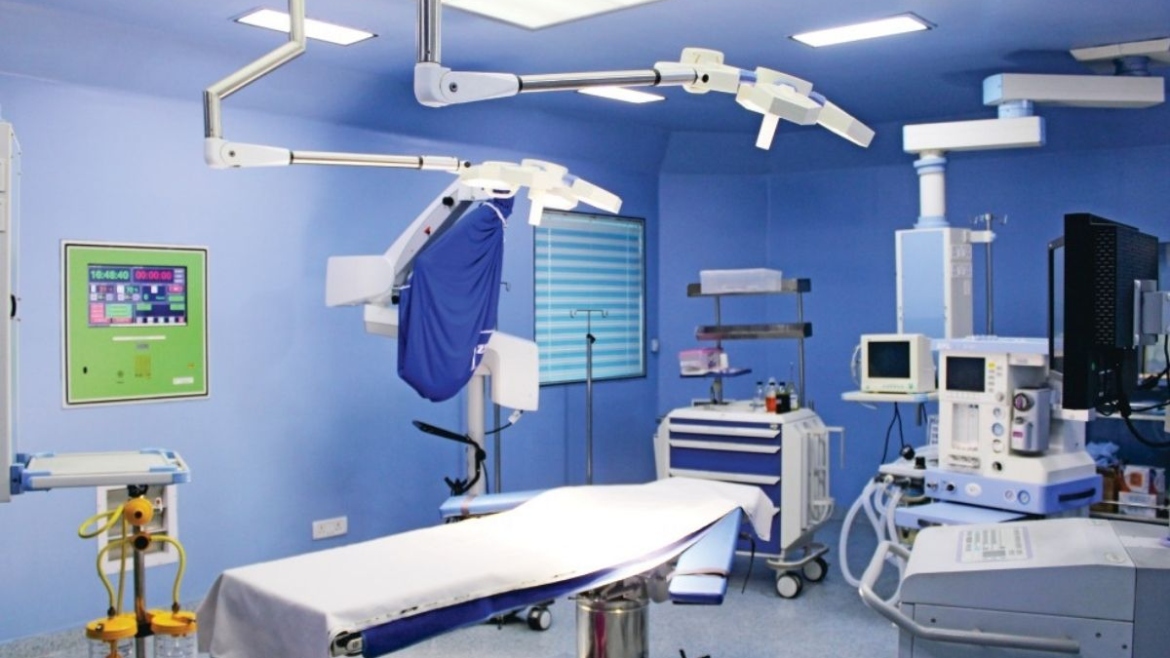
The healthcare industry is experiencing a revolutionary transformation with the adoption of hospital management systems. In 2025, smart hospital management systems are enabling hospitals to deliver better patient care, improve operational efficiency, and ensure data security.
This article explores how these advanced systems are shaping the future of healthcare, the key features driving this change, and why modern hospitals must embrace them to stay competitive.
What Is a Hospital Management System?
A hospital management system is an integrated platform that streamlines all administrative, clinical, and financial operations of a hospital. It manages everything from patient appointments to billing, inventory, and electronic health records (EHR). The system creates a seamless workflow that enhances coordination among departments and improves patient outcomes.
Key Features of Smart Hospital Management Systems in 2025
Artificial Intelligence and Machine Learning Integration
AI algorithms optimize scheduling, resource allocation, and inventory management, reducing administrative workload by up to 40%. Predictive patient care models analyze data to foresee health risks and recommend preventive interventions with high accuracy.
Telemedicine and Remote Patient Monitoring
Smart systems integrate virtual consultations with patient records, increasing appointment adherence by 60%. Remote monitoring devices track vital signs in real-time, reducing hospital readmissions by 30%.
Cloud-Based and Secure Infrastructure
Cloud-native platforms allow scalable storage and computing, cutting IT costs by about 35%. Advanced security protocols, including encryption and multi-factor authentication, ensure 99.9% data safety compliance.
Interoperability and Data Exchange
Modern hospital management systems comply with FHIR and HL7 standards for seamless data sharing across providers. This reduces medical errors by 35% and supports integrated patient care.
Smart Analytics and Predictive Capabilities
Data analytics provide real-time operational intelligence, enhancing resource utilization and clinical decision-making. Hospitals using these systems report efficiency gains and lower operational costs.
Mobile-First and Sustainable Solutions
Mobile-friendly interfaces allow on-the-go access to critical hospital information, improving response times by 40%. Digital workflows reduce paper use by 85%, contributing to environmental sustainability.
Benefits of Implementing a Hospital Management System
Comparison: Traditional vs. Smart Hospital Management System
| Aspect | Traditional Systems | Smart HMS (2025) |
|---|---|---|
| Patient Data Access | Manual, siloed records | Unified electronic health records with interoperability |
| Appointment Scheduling | Manual, phone-based | AI-optimized scheduling with telemedicine options |
| Resource Allocation | Static, prone to errors | Dynamic AI-driven forecasting and allocation |
| Data Security | Basic, often vulnerable | Multi-layer encryption and multi-factor access |
| Operational Efficiency | Paper-intensive, slower processes | Automated workflows, digital documentation |
| Environmental Impact | High paper use | Paperless operations, energy-efficient management |

Conclusion
Smart hospital management systems are redefining how hospitals operate and deliver care. By integrating the latest technologies such as AI, cloud computing, and interoperability standards, these systems enhance patient outcomes, streamline operations, and reduce costs.
For healthcare institutions aiming to thrive in 2025 and beyond, investing in a smart hospital management system is essential. Visit Queueless for more details on how we can help transform your healthcare facility.
Ready to Transform Your Hospital?
Discover how Queueless can help you implement a smart hospital management system tailored to your needs.